
Robert Lee ’09: Turning Leftovers into Millions of Meals
Long before Robert Lee ’09 founded a national nonprofit devoted to rescuing surplus food, he understood what it meant for food to matter.
Growing up in Flushing as the son of South Korean immigrants, Robert remembers periods when his family struggled financially. Paying the rent on time could be difficult, and skipping meals was sometimes a necessity. At home, wasting food – down to the last grains of rice – was simply not something his family did.
At school, however, he saw something very different.
Robert remembers watching uneaten food being discarded in the cafeteria, an early glimpse of a contradiction that would eventually define his life’s work: in a city where some families struggled to put enough food on the table, enormous quantities of perfectly good food were being thrown away.
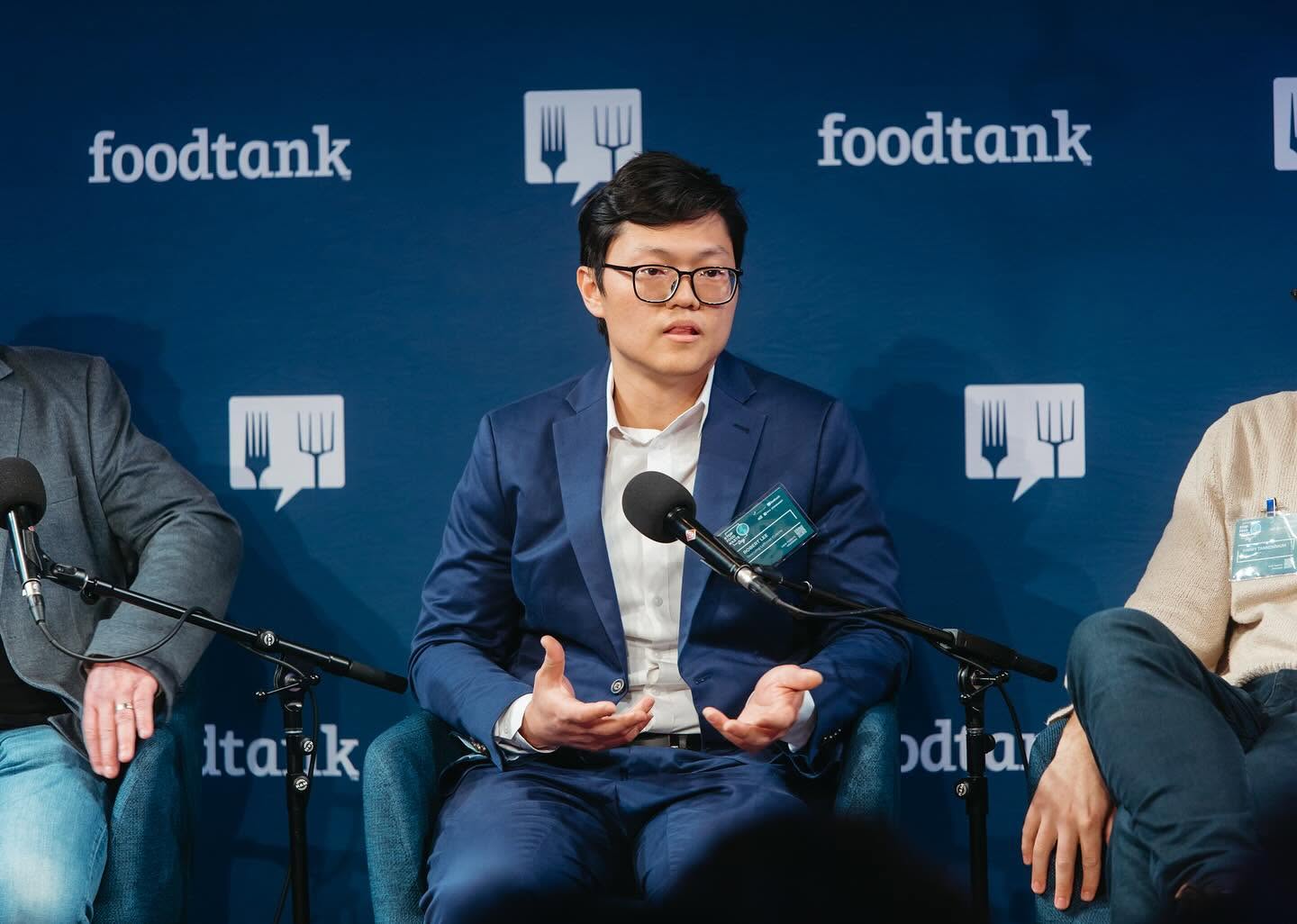
Today, Robert is the co-founder and CEO of Rescuing Leftover Cuisine (RLC), a nonprofit that connects businesses with surplus food to shelters, soup kitchens, and other organizations serving people experiencing food insecurity. Since its founding in 2013, RLC has provided roughly 20 million meals and expanded to approximately 16 cities across the country.
But many of the skills Robert needed to build RLC were developed years earlier at Stuyvesant.
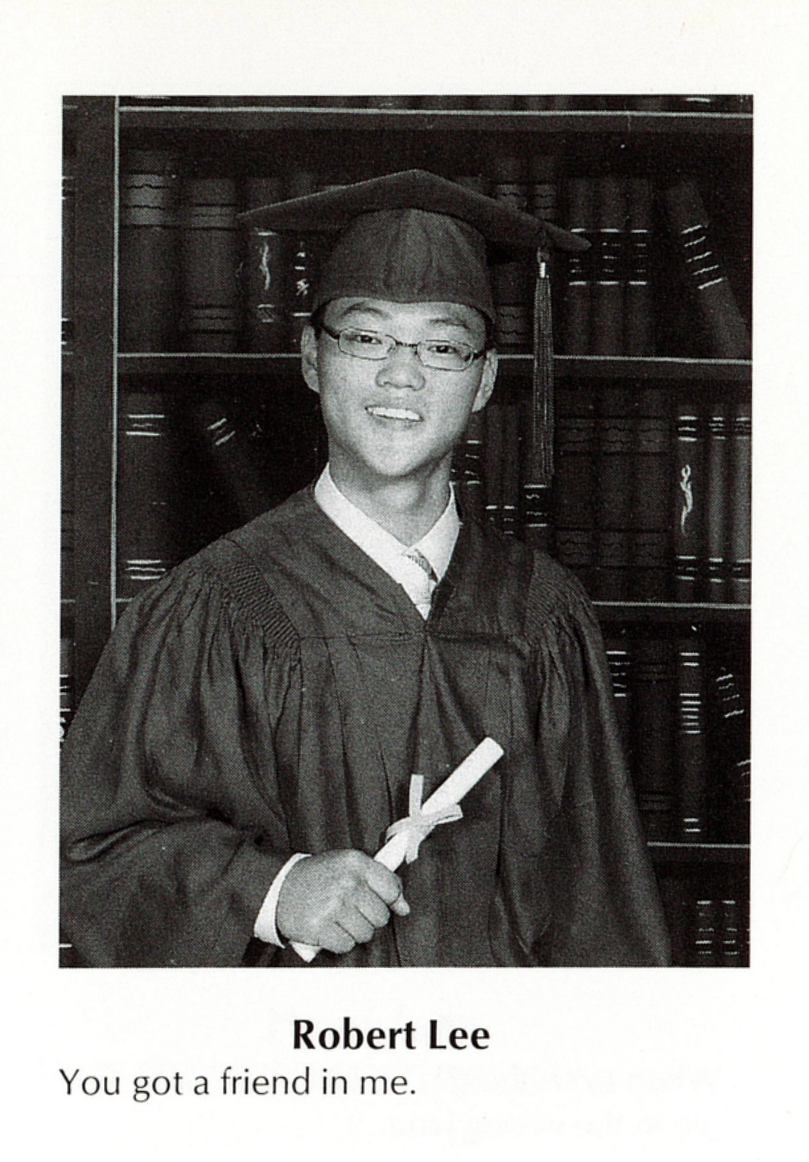
Learning to Build at Stuyvesant
At Stuy, Robert immersed himself in a school where ambitious students weren’t expected merely to participate – they could create.
As a member of the Business Committee of The Stuyvesant Spectator, Robert learned what it meant to operate with virtually no budget. Because the newspaper operated independently of school funding, students had to think seriously about advertising, budgeting, and resource management.
Years later, Robert would draw upon that experience while developing RLC’s own sustainable operating model, in which participating corporate food donors can pay a modest logistics fee to support the collection and distribution of their surplus food.
He also founded the Stuyvesant Rowing Club, an experience that required him to navigate school bureaucracy, recruit members, establish schedules, and turn an idea into an actual organization.
That experience proved remarkably similar to entrepreneurship. When Robert later began approaching New York City restaurants about donating excess food, there was no established infrastructure waiting for him. He had to build volunteer networks, create systems, and convince skeptical businesses that the idea could work.
And then there was the Math Team.
Stuyvesant’s famously competitive Math Team strengthened Robert’s analytical instincts, something that would become central to how he approached hunger. Rather than seeing food rescue solely as a charitable endeavor, Robert began thinking about it as a distribution problem.
There was food available. There were people who needed it. The challenge was connecting the two efficiently.
That mindset eventually helped RLC develop a crowdsourced model in which volunteers use technology to pick up surplus food from restaurants, caterers, hotels, and other businesses and deliver it directly to local organizations serving those in need.
Two Stuy Alumni, One Mission
After graduating from Stuyvesant, Robert attended NYU’s Stern School of Business on a full Gates Millennium Scholarship.
There, remarkably, he met another member of Stuyvesant’s Class of 2009 whom he had never known at Stuy: Louisa Chen ’09.
With more than 800 students in their graduating class, the two had spent four years walking the same hallways without crossing paths. They finally discovered their shared Stuy connection after joining Two Birds One Stone, an NYU student organization that collected leftover dining-hall food and delivered it to nearby shelters. Robert became the group’s president and Louisa its vice president.
Together, they expanded the group’s hours and recruited additional dining halls.
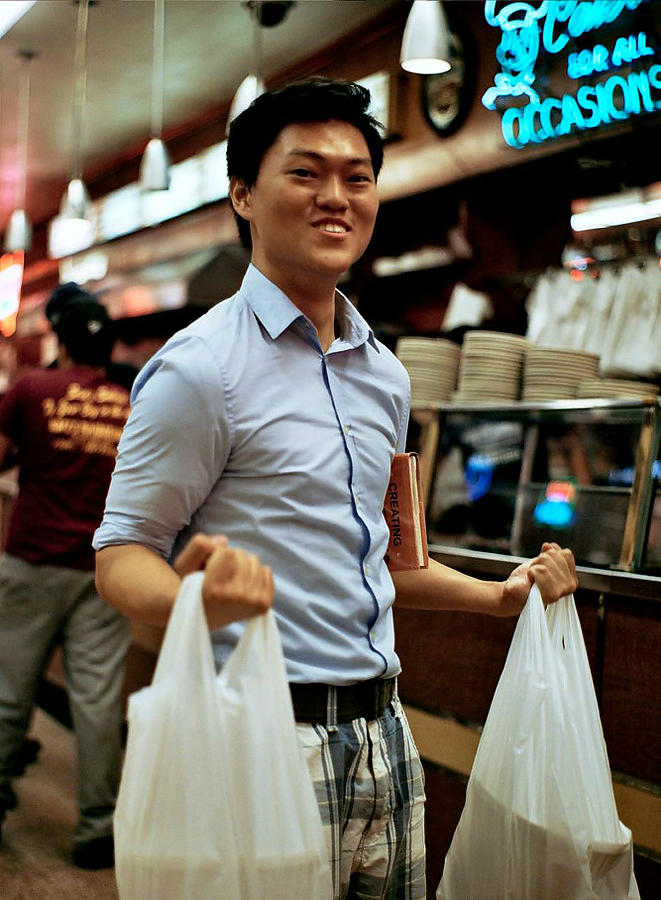
Louisa remembers Robert’s determination vividly: he would carry pans of leftover food even when they were hot enough to burn his arms rather than leave food behind.
During their senior year, they entered NYU’s Changemaker Challenge. Their idea won $1,000.
That modest prize became the seed money for Rescuing Leftover Cuisine, incorporated in 2013.
There were times when my family struggled to pay rent on time, and skipping meals was the norm. I hoped to never be in that same situation again.
Choosing Impact
Robert graduated cum laude from NYU Stern with a degree in finance and accounting. Given his family’s financial struggles, pursuing a stable and lucrative career seemed like the responsible choice.
“My parents were South Korean immigrants, and they encouraged me to be a lawyer or a doctor,” Robert recalled. But the years of education and debt those professions required led him toward finance instead. “There were times when my family struggled to pay rent on time, and skipping meals was the norm. I hoped to never be in that same situation again.”
Robert began working on Wall Street while continuing to run RLC on the side.
Before long, however, he found himself measuring his two worlds against each other.
“I compared one hour of impact at J.P. Morgan to one hour at RLC,” he recalled, “and the difference was two worlds apart.”
In 2014, less than a year into his finance career, Robert walked away from the security of Wall Street to devote himself full-time to food rescue.
His parents initially questioned the decision. They had sacrificed so that their son could have opportunities they had not, and leaving a stable, well-paying job was difficult to understand.
Robert saw their sacrifice differently. To him, not pursuing work he believed could make a meaningful difference would itself have been a waste of the opportunities his parents had created for him.
Eventually, they understood, and became some of RLC’s earliest donors.
Building a Movement
What began with a $1,000 student competition prize has since grown far beyond New York.
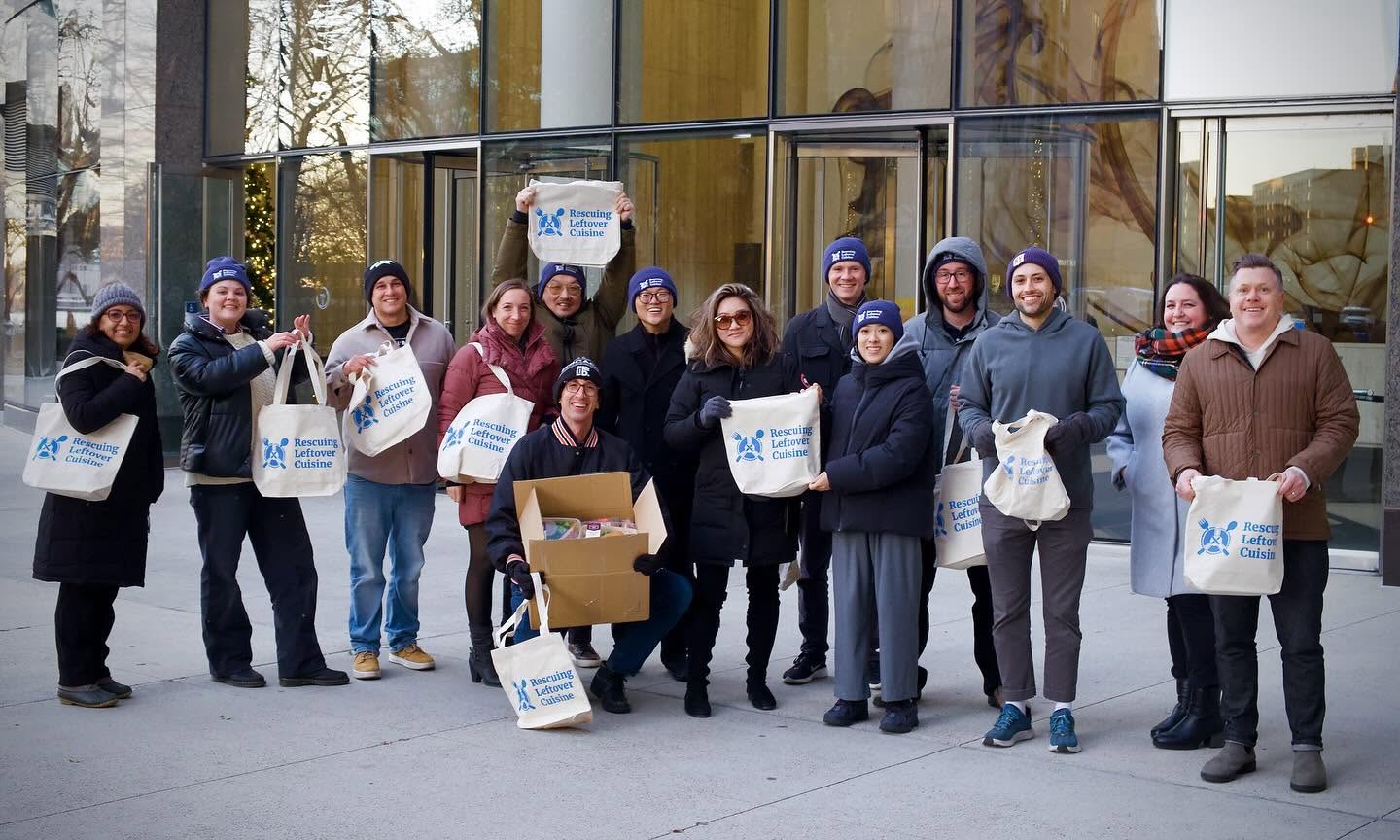
RLC now operates in communities including Boston, Chicago, Atlanta, Seattle, Los Angeles, and Portland. Its model is deliberately straightforward: businesses with excess food are connected with volunteers who transport that food to nearby organizations that can use it.
The organization operates seven days a week and often accepts donations regardless of size. That flexibility addresses one of the fundamental problems Robert identified: food doesn’t necessarily need to travel very far to reach someone who needs it. What was missing was an efficient system to connect supply with demand.
The environmental stakes are significant as well. Food sent to landfills doesn’t simply represent wasted meals; as it decomposes, it contributes to methane emissions. For RLC, reducing hunger and reducing food waste are therefore two parts of the same mission.
Along the way, Robert’s work has received national recognition. RLC was selected for the Catalyst incubator at Blue Ridge Labs at the Robin Hood Foundation, while Robert has been recognized as a CNN Hero, named to the Forbes 30 Under 30 list for Social Entrepreneurs, and selected as an Obama Foundation Leader USA.
Millions of Meals Hidden in Plain Sight
More than a decade after launching RLC, Robert is now bringing the lessons of that work to a broader audience.
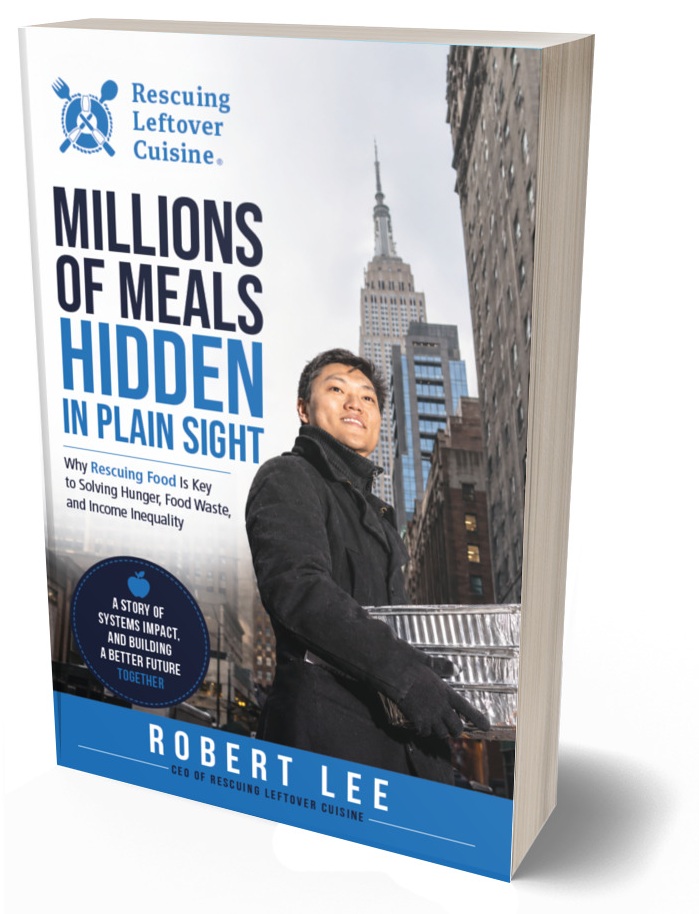
His 2026 book, Millions of Meals Hidden in Plain Sight, explores the connections among food waste, hunger, infrastructure, and inequality – drawing both upon his years building RLC and the experiences that first made him aware of the problem as a child.
In many ways, Robert’s story is also a particularly Stuyvesant one.
The Business Committee taught him how to make limited resources stretch. Rowing taught him how to build something that didn’t exist. Math Team encouraged him to reduce an enormous social problem to something that could be analyzed and solved. And his daily experience of New York exposed him to the contradictions of a city where extraordinary abundance and genuine need can exist only blocks apart.
Robert took those experiences and asked a deceptively simple question: What if the food we’re throwing away could instead reach the people who need it?
Twenty million meals later, he is still working on the answer.
Robert Lee ’09 is a Lifetime Member of the Stuyvesant High School Alumni Association.