
Jerry Nadler ’65: A Lifetime in Public Service, Rooted at Stuyvesant
For more than three decades in Congress, Jerry Nadler ’65 has been one of the nation’s most steadfast champions of civil liberties, constitutional protections, and democratic institutions. As he prepares to retire from the U.S. House of Representatives after 17 terms, Nadler’s legacy reads like a guidebook to the last half-century of American political life: defending civil rights, fighting discrimination, advancing justice, and insisting, always, that this country strive toward a more perfect union.
But long before he rose to national prominence as chair of the House Judiciary Committee, before the impeachment hearings and historic legislation, Nadler’s path began in Brooklyn, where he was raised the son of a chicken farmer. It was there, in a Crown Heights Yeshiva, that he first encountered the Jewish teachings and moral frameworks that would shape his budding sense of justice. Reflecting on those early years, Nadler has often noted how that education, and the grounding it provided, preceded the pivotal moment when he was admitted to Stuyvesant High School. The arc is unmistakable: a local New York story, anchored by public education and propelled by a commitment to democracy.
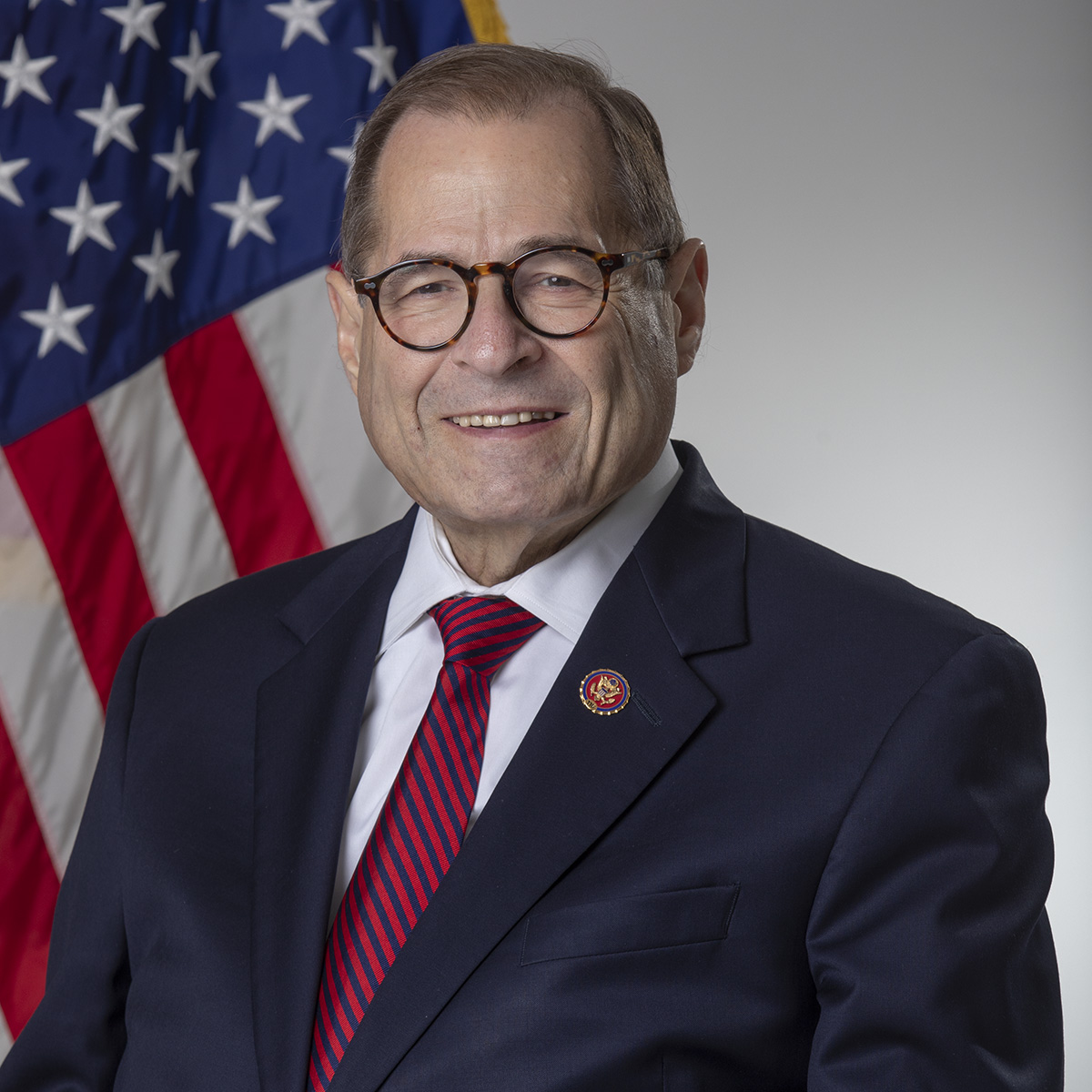
From police accountability to LGBTQ+ rights, reproductive freedom to voting rights, Nadler consistently centered fairness and equality in his work.
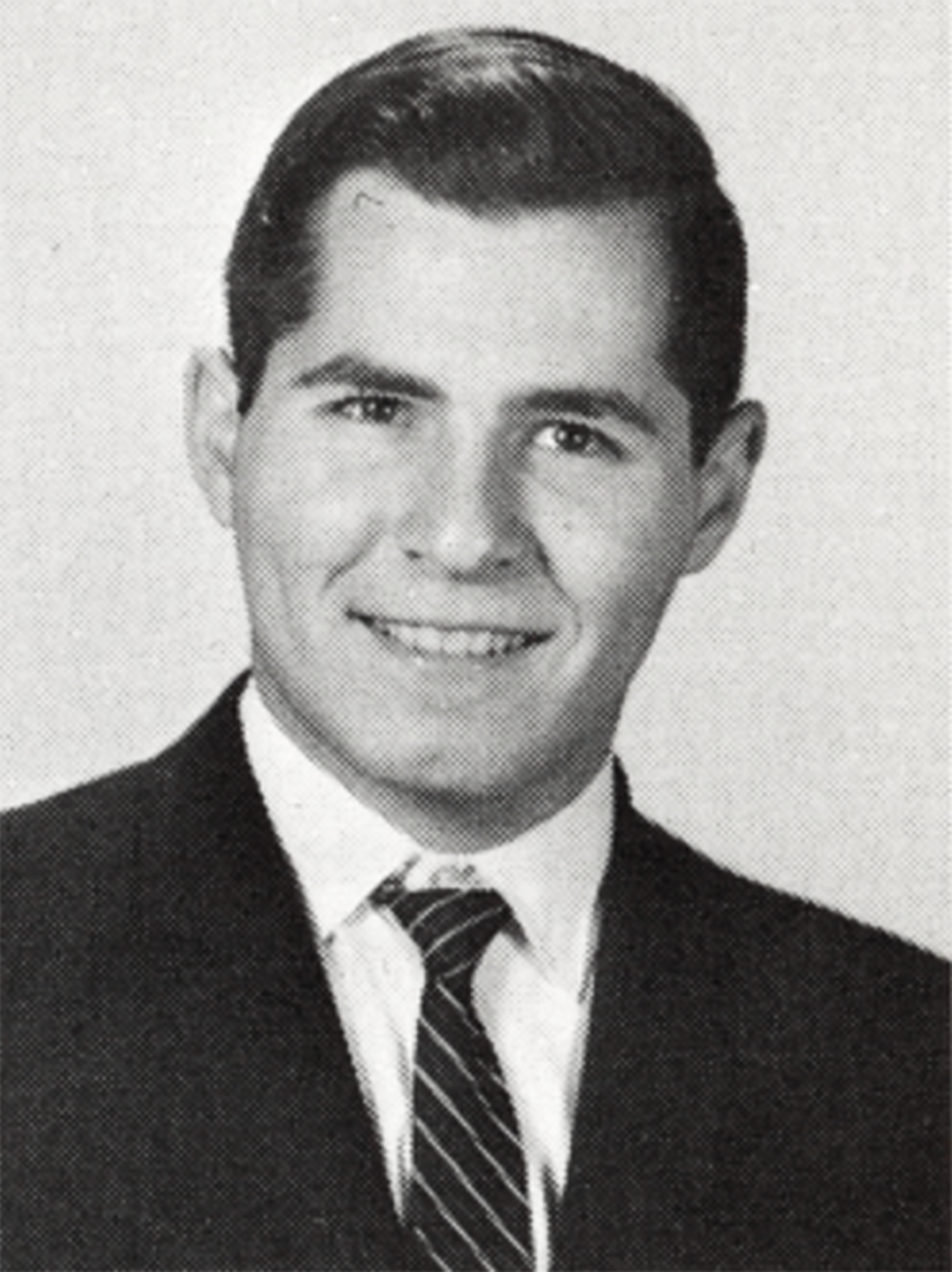
Finding His Voice at Stuyvesant
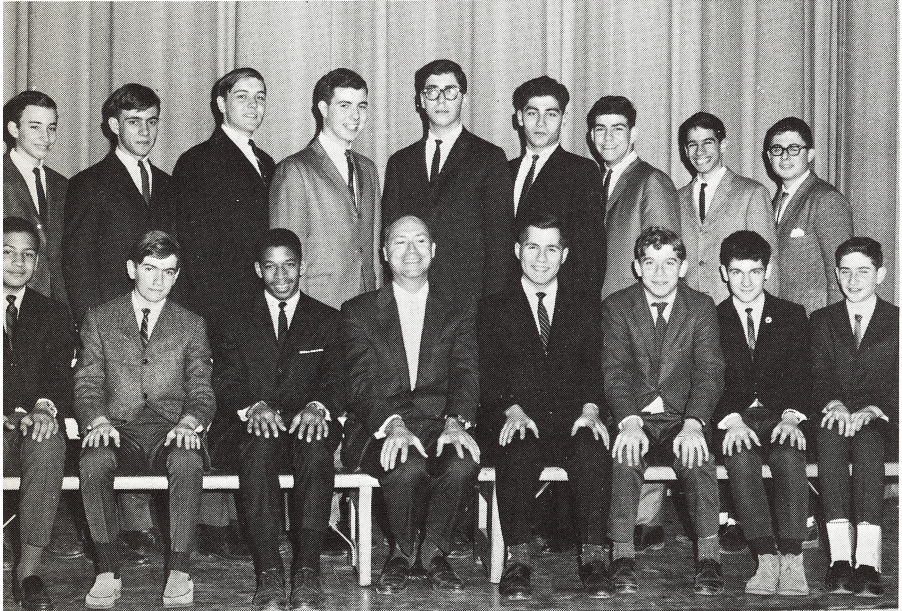
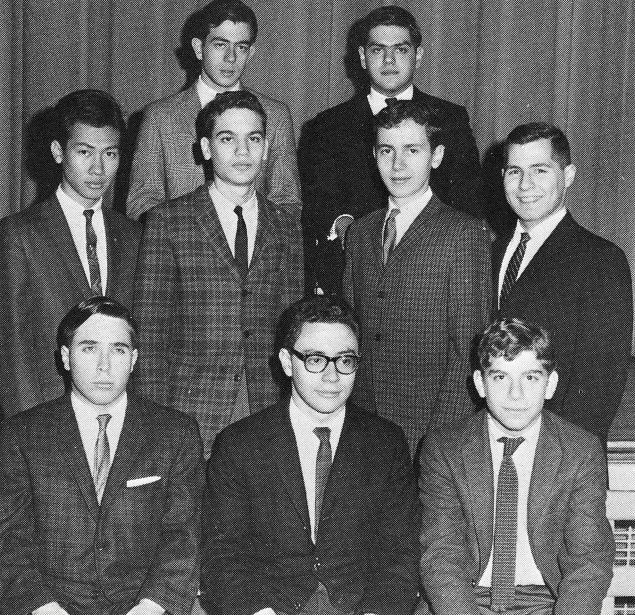
At Stuyvesant, Nadler’s interest in leadership and governance took a decisive turn. He was deeply involved in student government and ultimately elected president of his senior class, a formative experience that marked his first foray into electoral politics. Long before he ever imagined chairing congressional committees, Nadler was navigating debates in crowded hallways, rallying peers, and developing the skills of persuasion and coalition-building that would later define his career.
His time at Stuyvesant also exposed him to a world larger than the one he knew in Crown Heights. Like so many Stuy students then and now, he encountered classmates from every neighborhood, background, and point of view. Those interactions broadened his perspective and deepened his belief in pluralism—beliefs that would later animate his legislative work on civil rights and discrimination.
Even decades later, Nadler’s reflections on democracy are tethered to those early experiences and teachings. Speaking at a synagogue service after the 2024 election, he invoked Psalm 137 – “How shall we sing the Lord’s song in a strange land?” – to describe the fragility he sees in American democracy today. It was a striking reminder that the values instilled in his youth remained central to his worldview, from Crown Heights to Chambers Street to Capitol Hill.
A Call to Public Service
Nadler’s belief in the law as a tool for justice revealed itself early. In a Fordham Lawyer profile, he recounted reading about a Supreme Court case as a young teenager in which police had beaten a confession out of a suspect, and the Court upheld the result. “I remember thinking, ‘There’s a lot wrong with that, and when I get older, I’m going to fix that.’”
That impulse, to right what is wrong, became a through-line in his life. At Columbia University, he emerged as a prominent anti-war activist, working to elect liberal candidates and founding new organizations like West Side Kids and the West Side Peace Committee. His advocacy stretched from campus to city streets, culminating in candlelit marches and national protests during the Vietnam era.
By his senior year at Columbia, Nadler was elected a Democratic district leader on Manhattan’s West Side. Public service was no longer an ambition, it was a calling.
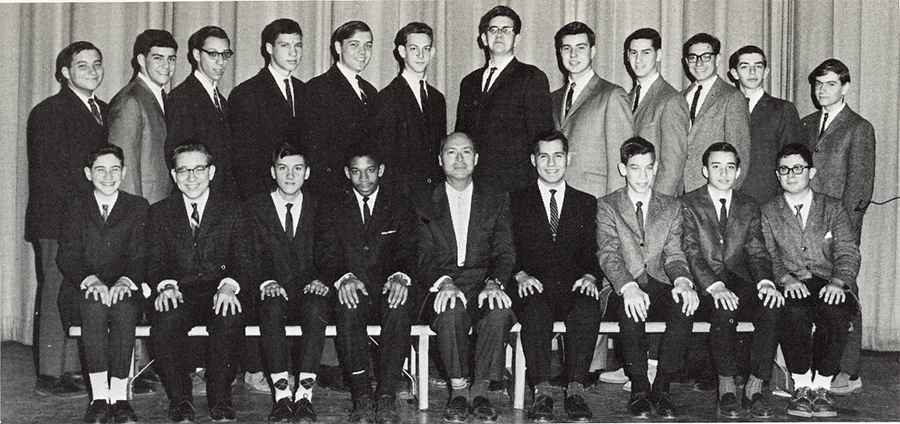
From a Crown Heights Yeshiva to the halls of Old Stuy, from Columbia protests to Capitol hearings, Nadler’s commitment has been rooted in the same instinct he felt as a 12-year-old reading about a wrongful conviction: when something is unjust, you fix it.
From Law School to Albany to Washington
To strengthen his ability to effect change, Nadler pursued a law degree at Fordham, attending evening classes while working days as a political organizer and clerk. It was a demanding, all-consuming schedule—made even more so when a vacancy opened in his Assembly district in the summer of 1976. Nadler ran, won the primary that September, married that December, and continued his law studies between legislative sessions.
His time at Fordham, he later said, gave him the constitutional grounding and analytical discipline essential to his later work in Congress. It also taught him how to build consensus, a skill he would use often as he navigated increasingly polarized political terrain.
In Albany, Nadler quickly gained a reputation as a principled and effective lawmaker. During his first year in the New York State Assembly, he was named Legislator of the Year by the National Organization for Women for his work on domestic violence and child support enforcement, one of only two men ever to receive the honor. He went on to champion early legislation protecting people with AIDS from discrimination and rose as a national voice on civil rights.
That voice carried him to Congress in 1992, where he won a special election to represent what is now New York’s 10th Congressional District. Over 34 years in Washington, he became one of the House’s most influential members, never losing sight of the injustices that first drew him to public life.
From police accountability to LGBTQ+ rights, reproductive freedom to voting rights, Nadler consistently centered fairness and equality in his work. As chair of the Judiciary Committee beginning in 2019, he oversaw some of the nation’s most consequential debates, often under intense national scrutiny, and continued pushing for reforms to policing, surveillance, and civil liberties.
Bipartisan Bridges and Firm Principles
Known for his deep legal knowledge and calm deliberation, Nadler also earned respect for his ability to work across the aisle when common ground existed. He famously partnered with conservative Rep. Marsha Blackburn on legislation supporting musical artists, an unlikely alliance given their simultaneous, sharp disagreements over issues like reproductive rights.
“You look for common areas of agreement,” Nadler has said. “And you have to be willing to compromise, so long as the compromises aren’t of basic principles.”
It is a philosophy honed through decades of public service—and one increasingly rare in American politics.
A Legacy Grounded in Justice, Shaped at Stuyvesant
As Jerry Nadler concludes his long tenure in Congress, the themes that defined his career – justice, fairness, democratic accountability – remain as urgent as ever. In many ways, his journey mirrors the best of the Stuyvesant tradition: intellectual rigor, public purpose, and a deep belief that one person can help bend the arc of history.
From a Crown Heights Yeshiva to the halls of Old Stuy, from Columbia protests to Capitol hearings, Nadler’s commitment has been rooted in the same instinct he felt as a 12-year-old reading about a wrongful conviction: when something is unjust, you fix it.
His story is a reminder to generations of Stuyvesant students – past, present, and future – that civic engagement begins long before one holds office. It begins in classrooms, in debates, in clubs, in communities. It begins, as Nadler’s did, with the simple conviction that every person deserves equal protection under the law.
And it is a conviction he never stopped fighting for.